
Coloured Concrete – Uses, Price & Delivery in London
Elevate your build with Coloured Concrete —the ultimate decorative finish for modern construction. Our specialist mixes offer a vast palette of tones to match any design vision, providing a hard-wearing and aesthetically pleasing alternative to traditional grey concrete. Perfect for large-scale London developments requiring both style and substance, our coloured concrete delivers a bespoke, professional appearance for everything from pedestrian walkways to sleek commercial interiors.
Coloured Concrete – Description, Materials & Application

Coloured concrete, also known as pigmented concrete, is a form of concrete in which integral pigments or surface colouring methods are used to impart permanent colour to the finished material. Unlike ordinary grey concrete, whose appearance is defined solely by cement and aggregates, coloured concrete is intentionally designed to combine structural or functional performance with aesthetic value. It is widely used in architectural, decorative, and infrastructure applications where visual appearance, durability, and low maintenance are required.
The use of colour in concrete allows designers and engineers to enhance visual identity, improve wayfinding, define zones, blend structures with surroundings, or create contrast and articulation without relying on surface coatings or applied finishes. When properly designed and executed, coloured concrete offers long‑lasting colour that is resistant to wear, weathering, and ultraviolet (UV) radiation, making it highly suitable for external environments.
Call us: 0207 538 2266




Definition of Coloured Concrete
Coloured concrete is defined as concrete in which mineral or synthetic pigments are added to the concrete mix or applied to the surface to achieve a desired colour or tonal effect. The colouring may be achieved through:
- Integral colouring, where pigments are mixed throughout the concrete
- Surface colouring, where colour is applied to hardened or fresh concrete
Integral coloured concrete is particularly valued because the colour extends through the full depth of the material, meaning that chipping, abrasion, or wear does not expose untreated grey concrete beneath the surface. As a result, coloured concrete retains its appearance over long service periods, even under heavy use.
Types of Coloured Concrete
Integral (Pigmented) Coloured Concrete
Integral coloured concrete is produced by adding powdered or liquid pigments directly into the concrete mix during batching. The pigment becomes uniformly distributed throughout the cement paste, producing consistent colour across the entire volume of concrete.
This method is commonly used for:
- Architectural concrete
- Paving blocks and slabs
- Precast elements
- Industrial floors and external hardstandings
Integral colouring is the most durable and permanent colouring method, as the colour is not reliant on surface adhesion.
Surface‑Coloured Concrete
Surface colouring involves applying colour after concrete placement, either when the concrete is fresh or after it has hardened. Common surface colouring methods include:
- Dry‑shake colour hardeners
- Chemical stains
- Dyes
- Painted or coated finishes
While surface‑coloured concrete can achieve more varied tonal and artistic effects, it is generally less durable than integral colouring and may require additional maintenance over time.
Pigments Used in Coloured Concrete
Types of Pigments
The pigments used for colouring concrete must be alkali‑resistant, lightfast, and chemically stable within the cementitious environment. The most commonly used pigments include:
- Iron oxide pigments (red, yellow, brown, black)
- Chromium oxide (green)
- Cobalt pigments (blue)
- Carbon black (deep black and grey shades)
Iron oxide pigments are the most widely used due to their excellent durability, colour stability, availability, and cost‑effectiveness.
Pigment Dosage
Pigment dosage typically ranges from 1% to 10% of the cement content by weight, depending on the desired colour intensity. Adding more pigment beyond the saturation point does not significantly deepen the colour and may negatively affect concrete properties.
Uniform dosing is critical. Variations in pigment quantity, batching accuracy, or mixing time can result in colour inconsistency or mottling.
Customer Testimonials
“We recently had a slate grey coloured concrete floor installed at our home in Tottenham, and we’re absolutely delighted with the result.
From the initial consultation through to the final finish, the team at Mix It were knowledgeable, reliable, and easy to deal with. They took the time to explain the colouring process and made sure we were confident in the finish we wanted before starting.
The finished floor looks fantastic—clean, modern, and with a consistent slate grey tone throughout. It has completely transformed our garden area and gives it a really high-end feel.
We wouldn’t hesitate to recommend Mix It to anyone looking for coloured concrete.”


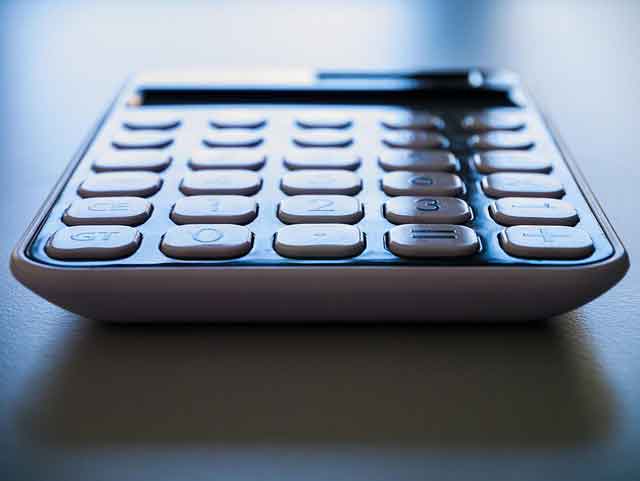
How to use our concrete calculator to work out your order
Calculate how much you need, Call Us, Order & Pay
Performance Characteristics
Coloured concrete exhibits mechanical and durability properties similar to conventional concrete when properly designed.
Strength
Pigments do not significantly affect compressive strength when used within recommended limits. However, excessive pigment content may increase water demand and slightly reduce strength.
Durability
Coloured concrete demonstrates:
- High abrasion resistance
- Good freeze–thaw performance
- Excellent UV resistance
- Long‑term colour stability
These properties make it suitable for demanding external environments.
Maintenance
Coloured concrete generally requires minimal maintenance. Cleaning with mild detergents and periodic sealing may enhance appearance and reduce staining, especially in high‑traffic areas.
Applications of Coloured Concrete
Architectural Concrete
Coloured concrete is extensively used in façades, columns, beams, walls, and exposed structural elements to achieve architectural expression without applied finishes.
Paving and Hard Landscaping
Common applications include:
- Pedestrian walkways
- Plazas and public squares
- Driveways and car parks
- Cycle paths and traffic calming features
Colour is often used for functional zoning and visual guidance.
Precast Concrete Products
Coloured precast elements include:
- Paving blocks
- Kerbs and edging
- Street furniture
- Cladding panels
Factory production allows excellent colour control and surface quality.
Infrastructure and Urban Design
In infrastructure projects, coloured concrete is used to:
- Improve visual integration with surroundings
- Enhance safety and visibility
- Reduce reliance on paints and coatings
Limitations and Challenges
Despite its benefits, coloured concrete has certain limitations:
- Higher initial material cost
- Requires strict quality control
- Colour variations can occur if workmanship is poor
- Repairs may be visually noticeable if not carefully matched
These issues can be mitigated through good design, trial panels, and experienced workmanship.
Questions we are often asked about Coloured Concrete
Yes. Mix It’s commercial concrete mixes are suitable for reinforced foundations, pads, columns, ground beams and floor slabs. We work closely with contractors and engineers to ensure compliance with structural drawings and specifications.
(From: Coloured Concrete)
Like all concrete, coloured concrete can crack. However, correct installation, control joints, reinforcement, and good curing practices significantly reduce cracking. Importantly, cracks do not typically affect the colour itself.
(From: Coloured Concrete)
Maintenance is simple:
- Regular sweeping and washing
- Resealing every few years (depending on traffic and exposure)
- Avoid harsh chemicals
Proper care helps preserve colour vibrancy and surface protection.
(From: Coloured Concrete)
Absolutely. Coloured concrete is commonly used for:
- Driveways
- Patios
- Pathways
- Pool surrounds
When sealed correctly, it is weather-resistant, durable, and slip-resistant.
(From: Coloured Concrete)
Yes, coloured concrete typically costs more due to:
- Added pigments or decorative treatments
- Extra labour and finishing time
However, it can eliminate the need for additional finishes like paving or tiles, often making it cost-effective overall.
(From: Coloured Concrete)
High-quality coloured concrete is UV-stable and long-lasting, especially when sealed properly. Some minor fading may occur over many years, but sealing and routine maintenance greatly reduce this risk.
(From: Coloured Concrete)
There are three common methods:
- Integral colouring: Pigment is mixed into the concrete before pouring.
- Concrete staining: Acid or water-based stains are applied to cured concrete.
- Dry-shake hardeners: Coloured powders are worked into the surface while the concrete is still fresh.
Each method offers different finishes, durability, and colour depth.
(From: Coloured Concrete)
Coloured concrete is standard concrete that has been enhanced with integral pigments, stains, or surface treatments to achieve a decorative colour. The colour becomes part of the concrete rather than a surface coating like paint.
(From: Coloured Concrete)

