
Pumping Concrete – Process, Equipment, Mix Design, and Best Practice in London: The complete guide for domestic projects
Pumping readymix concrete is a widely used method of transporting freshly mixed concrete from the delivery vehicle to its final point of placement using mechanical pumping equipment. It is particularly valuable on modern construction sites where access is restricted, placement distances are long, or concrete must be delivered to elevated or confined locations. By allowing fast, controlled, and continuous placement, concrete pumping improves efficiency, quality, and safety compared with manual handling or crane-and-bucket methods.

Overview of the Concrete Pumping Process
The pumping process begins once readymix concrete arrives on site in a transit mixer. Instead of being discharged directly into formwork, wheelbarrows, or skips, the concrete is fed into the hopper of a concrete pump. From there, it is mechanically forced through a pipeline or boom system and discharged precisely where it is required. Throughout the process, the concrete remains in a plastic, workable state, allowing it to be spread, compacted, and finished in the usual way.
Concrete pumping relies on the combined interaction of suitable mix design, appropriate pumping equipment, skilled operators, and careful site planning. When these elements are properly coordinated, large volumes of concrete can be placed continuously with minimal disruption to other construction activities.
Call us: 0207 538 2266




Types of Concrete Pumps
Several types of concrete pump are used depending on the scale of work, site conditions, and placement requirements.

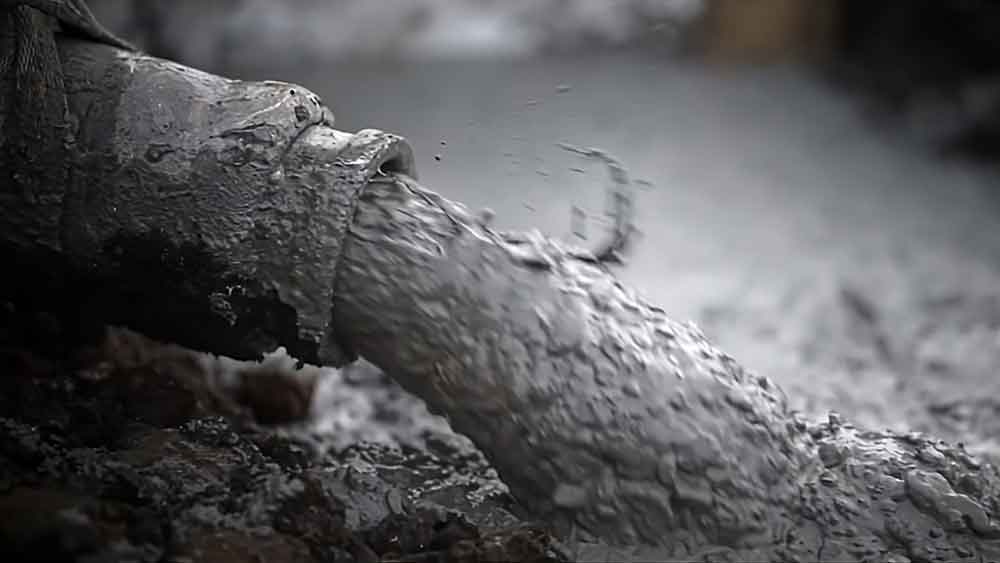

Concrete Pumping Equipment Components
Although pump designs vary, most systems consist of the following core components:
Customer Testimonials
“Hiring a concrete pump was the best decision we made for our extension. The team had the concrete in place in no time, and the finish was flawless. We’ll definitely use a pump again for future projects.”


Health and Safety Considerations
Concrete pumping introduces specific safety hazards that must be controlled through proper procedures and training.
- Pipeline connections must be securely clamped to prevent separation under pressure.
- Personnel must keep clear of pressurised lines during operation.
- Safe exclusion zones should be established around booms and hose discharge areas.
- Operators must be trained to depressurise systems safely before maintenance or blockage removal.
Additionally, standard concrete safety measures apply, including protection against cement burns and manual handling risks.
Benefits of Pumping Readymix Concrete
When correctly specified and managed, pumping readymix concrete offers significant advantages over traditional placement methods.
Questions we are often asked about Pumping Concrete
Yes. It pumps very well and is often used on sites where access is limited or concrete needs to be placed at a distance.
(From: Pumping Concrete) (Flowing Concrete)
Yes, concrete can be pumped in most weather conditions, including rain. However, in extremely cold temperatures, the pipeline must be insulated or pre-warmed to prevent the mix from freezing inside the hose. In very hot weather, the speed of delivery becomes even more critical to prevent the concrete from curing prematurely inside the pump.
(From: Pumping Concrete)
Most standard concrete mixes can be pumped, but you must specify a “pump mix” when ordering from your concrete supplier. This mix contains a higher proportion of sand and smaller aggregates (typically 10mm or 20mm) to prevent blockages. Most specialised liquid floor screeds are also suitable for pumping.
You must provide a level, hard-standing area approximately 20 metres long (roughly the length of 4 cars) for both the pump and the mixer truck to park. It is recommended to lay tarpaulin under the pump’s hopper to simplify cleanup.
Concrete pump hire typically costs between £300 and £500 for a half-day hire of a line pump. For larger boom pumps, prices generally start around £450 to £600. Total costs are influenced by the volume of concrete, the duration on-site, and the amount of additional pipeline required.
(From: Pumping Concrete)
A standard line pump can typically reach 150 metres horizontally and up to 1,000 metres with additional piping, making it highly versatile for long-distance pours. A boom pump generally offers a reach of 20 to 70 metres horizontally or vertically, depending on the size of the truck and the number of arm sections.
(From: Pumping Concrete)
Line Pumps use flexible hoses laid along the ground and are ideal for residential projects like driveways, garden paths, or internal floors where access is tight.
Boom Pumps feature a hydraulic, robotic arm that can reach up and over obstacles like houses or walls. They are best for high-rise projects, deep foundations, or large commercial slabs where speed and height are critical.
You should hire a pump if the pour site is more than 20–30 metres from where a mixer truck can park, or if you have restricted access such as narrow alleyways, stairs, or indoor areas. Pumping is also essential for volumes over 5m³, as it delivers approximately 1m³ per minute, preventing “cold joints” by ensuring the concrete is placed before it begins to set.
Concrete pumping is the method of transporting freshly mixed concrete from the mixer truck to the placement area using mechanical pumps, hoses, or pipes. It enables fast, efficient, and accurate concrete placement.
(From: Pumping Concrete)
The two main types are boom pumps—truck-mounted pumps with a hydraulic arm for high or distant pours—and line pumps, which use hoses laid on the ground for smaller or harder-to-access pours.
(From: Pumping Concrete)
Pumping is used when access is restricted, when concrete must be delivered over long distances or height, when large volumes need rapid placement, or when a continuous pour is required.
(From: Pumping Concrete)
Pumping requires cohesive concrete with good workability. Mixes may include plasticisers, superplasticisers, and well-graded aggregates to prevent blockages. Most mixes from C20 to C60 can be pumped when properly designed.
(From: Pumping Concrete)
Boom pumps can reach approximately 50–70 metres vertically depending on the model, while line pumps can extend several hundred metres horizontally with additional hoses and proper pressure management.
(From: Pumping Concrete)
Benefits include faster placement, reduced labour, improved accuracy, the ability to work in tight-access areas, and a cleaner, more controlled pour.
(From: Pumping Concrete)
Yes. Risks include line blockages, hose whipping, pressure surges, and issues related to weather conditions. Proper training, setup, and supervision minimise risks.
(From: Pumping Concrete)
Concrete pumps can typically place between 30 and 100 m³ per hour, depending on the equipment and mix. Setup generally takes 30–60 minutes.
(From: Pumping Concrete)
The site must allow clear access for the pump truck, provide a safe hose route, ensure reinforcement and formwork are ready, and include suitable washout facilities.
(From: Pumping Concrete)
Pump hire adds cost, but improved efficiency, reduced labour, and faster completion often make pumping more cost‑effective overall.
(From: Pumping Concrete)
