
Free Concrete Delivery:
The complete guide for residential projects
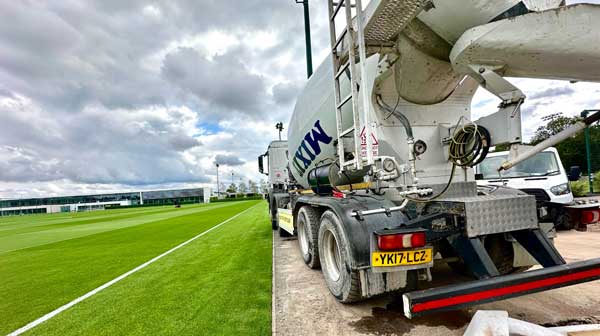
Concrete delivery is one of the most important days in a residential build or home improvement project. Whether you are pouring a driveway, patio, extension base, or foundations, concrete work must happen quickly and correctly. Once the lorry arrives, there is very little time for adjustments, so preparation is essential.
This guide explains how to prepare properly for a domestic concrete delivery, helping you avoid waste, delays, poor finishes, and structural problems.


Confirm the Right Concrete for a Home Project
Residential concrete needs are simpler than commercial ones, but accuracy still matters.
Typical Residential Concrete Uses
Common domestic applications include:
- Driveways
- Garden patios and paths
- House extension bases
- Garage and shed foundations
- Strip footings
- Floor slabs
Each requires a slightly different mix, especially in terms of strength and workability.
Call us: 0207 538 2266




What to Confirm with the Supplier
Make sure you know:
- Strength (commonly C20 or C25 for domestic work, higher for driveways)
- Workability/slump (important if placing by hand or wheelbarrow)
- Aggregate size (smaller sizes are easier to work with)
- Fibre reinforcement (often used instead of mesh for slabs)
- Additives (retarder in hot weather, accelerator in cold weather)
Never assume all concrete is the same.
Measure Accurately and Order the Correct Amount
Under‑ordering concrete is one of the biggest problems on residential projects.
How to Calculate Volume Manually
Use: Length × Width × Depth = Cubic metres (m³)
Add 5–10% extra for:
- Uneven ground
- Spillage
- Formwork variation
- Minor overfill
Concrete suppliers usually charge much more for short-notice top‑up loads than for slight over-ordering.
Choose the Best Delivery Time
Costs vary depending on:
- For residential sites, delivery timing affects neighbours, access, and work quality.Best Time of Day
- Early morning deliveries are usually best
- Less traffic means fewer delays
- Cooler temperatures improve workability
Consider Neighbours
- Inform neighbours if access may be blocked
- Move cars and clear driveways
- Check local restrictions on noise or truck access
Good communication prevents disputes on pour day.
Prepare Access for the Concrete Lorry
Concrete lorries are heavy and not designed for tight residential spaces.
Check Site Access
Ensure:
- Driveways and paths can take heavy loads
- Gates are wide enough
- Overhead cables, trees, or scaffolding are clear
- There is room for the lorry to turn or reverse safely
If the lorry cannot get close:
- Arrange a concrete pump
- Be prepared to wheelbarrow the concrete
Do not assume access is “probably fine” – confirm in advance.

Reinforcement for Residential Concrete
Reinforcement increases strength and reduces cracking.
Common Reinforcement Types
- Steel mesh (A142, A193, etc.)
- Steel bars (for footings)
- Fibres mixed into the concrete
Key Points
- Use spacers so reinforcement sits in the middle of the slab
- Tie mesh so it does not move during the pour
- Keep reinforcement clean and raised off the ground
Concrete placed directly onto mesh lying on the soil does not perform properly.
SOME KIND WORDS
Customer Reviews

Questions we are often asked about Concrete Delivery
Yes. After placing and finishing, concrete needs protection and proper curing. Have plastic sheeting, curing membranes, or covers ready to prevent rapid drying, rain damage, or frost. Good aftercare is just as important as good preparation for long‑term performance.
Check that the delivery matches what you ordered, including mix type and quantity on the delivery ticket. If anything looks wrong, raise it with the driver immediately before discharge begins. Once concrete is poured, it is assumed to be accepted.
It’s very important to estimate volumes carefully. Running short can delay the job and lead to visible joints, while over‑ordering can increase costs. Many domestic customers order a small extra allowance to avoid running out. Some suppliers offer flexible or part‑load solutions to reduce waste.
If the lorry cannot reach the pouring area, the concrete will need to be moved by wheelbarrow or pumped. This must be planned in advance. Trying to improvise on the day often leads to delays, stress, and extra cost. Always discuss access challenges with your supplier beforehand.
Concrete should normally be placed within about two hours of batching, depending on traffic, mix type, and weather. Once the lorry is on site, you have a limited discharge window. Anything that causes delays—such as poor access or lack of labour—can affect the quality of the concrete.
Light rain is usually not a problem, but heavy rain, frost, or extreme heat can affect both delivery and concrete performance. In poor weather, you may need protective sheeting, covers, or curing methods ready on site. If conditions are severe, it is sometimes better to postpone the pour.
You should have all necessary tools ready before the lorry arrives, including shovels, rakes, tampers, screeds, floats, and edging tools. If you are barrowing concrete, ensure you have enough wheelbarrows and helpers. Delays caused by missing equipment can lead to wasted material or extra charges.
Yes. A responsible person must always be on site to receive the concrete, direct where it is poured, and sign the delivery ticket. The driver cannot make decisions about placement or waiting time, so someone familiar with the job should be present from start to finish.
A standard ready‑mix concrete lorry is large and heavy. Ideally, you’ll need a minimum clear width of around 3 metres, firm ground, and enough turning or reversing space. If access is limited, you should arrange barrowing, wheelbarrows, or a concrete pump in advance and inform the supplier when ordering.
Before your delivery, make sure all groundwork is fully completed. This includes excavation, formwork, reinforcement, and sub‑base preparation. Access routes should be clear and safe for a concrete lorry, and all tools, labour, and finishing equipment must be ready. Concrete has a limited working time once delivered, so good preparation is essential.
Covered locations

The leading concrete pumping and delivery service for domestic & commercial users in London. Supplying the exact amount of perfect concrete for your project, delivered quickly right to where you need it. – View our Greater London ready mix concrete delivery services.
Covering North London, East London, Essex
North London Depot
Address: 1 Thornton Rd, Edmonton London
Postcode: N18 3BA
View details for this depot
East London Depot
Address: Empson Street, Bow London
Postcode:E3 3LT
View details for this depot
Ilford Essex Depot
Address: 78 River road, Barking Essex
Postcode:IG11 0GS
View Details for this depot
